
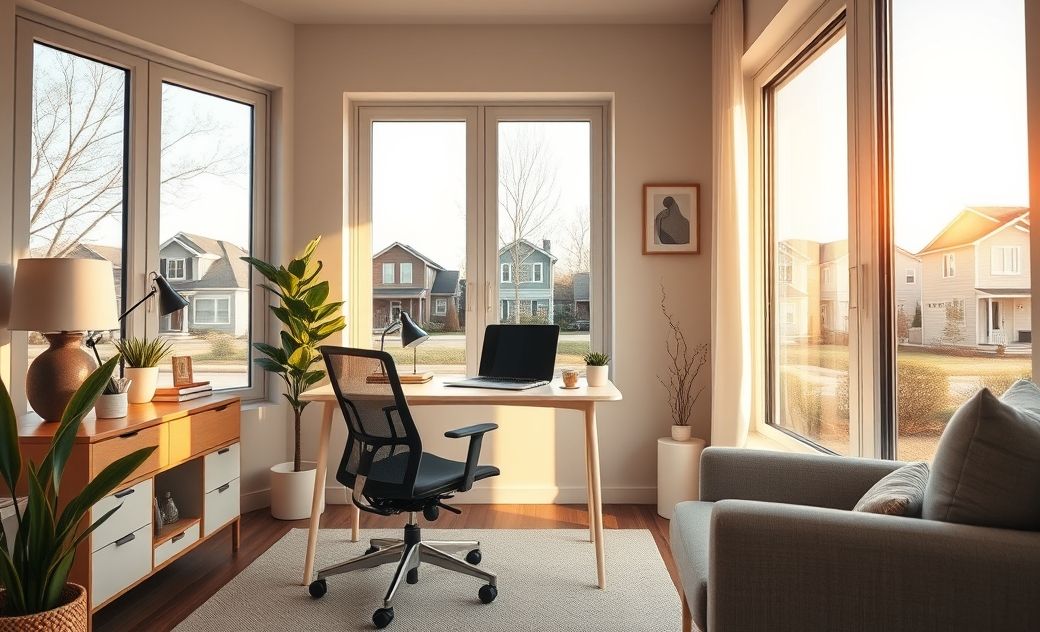
The landscape of real estate investment is experiencing a dynamic transformation as the global work-from-home movement continues to reshape how we define and use our living spaces. The increasing demand for functional home offices is influencing both residential and commercial real estate markets. Understanding these changes is crucial for investors who want to capitalize on emerging trends and make informed decisions.
Understanding the Home Office Trend
The inclination towards home offices gained significant momentum during the COVID-19 pandemic, as businesses around the world adopted remote work policies. Now, even as restrictions lift, the trend persists. Many companies offer hybrid or fully remote working options as employees expect flexibility and value a better work-life balance.
Impact on Demand for Residential Properties
As remote work becomes more prevalent, people are prioritizing homes with dedicated office spaces. This has led to increased demand for larger homes or homes with layouts that can be easily adapted to include a home office. Properties that feature extra rooms, spacious basements, or attic spaces are fetching higher prices, as they offer the flexibility buyers seek to create comfortable and productive work environments.
Rural and Suburban Appeal
With the ability to work from anywhere, many individuals are opting to move away from crowded urban centers to more spacious and affordable suburban or rural areas. This shift is driving up demand for real estate in areas that previously saw slower growth, presenting lucrative opportunities for investors in these regions.
Commercial Real Estate Implications
The rise of remote work is also impacting the commercial real estate market, particularly in the office space sector. Businesses are reevaluating their need for large office spaces, leading to reduced demand in some areas while sparking innovation in others.
Flexible Workspace Solutions
As companies downsize their physical office requirements, there is growing interest in flexible workspace solutions such as co-working spaces. Investors can capitalize on this trend by focusing on properties that can be converted into flexible offices or by investing in existing co-working companies that are poised for growth.
Mixed-Use Developments
Developers are adapting by integrating residential and office spaces into mixed-use buildings. These designs often include workspaces as communal facilities within residential complexes, catering to those who prefer to work close to home but outside their living area. This innovative approach can enhance property values and attract a diverse tenant pool.
Investment Strategies in the Evolving Market
Real estate investors must remain agile to capitalize on the evolving market landscape. Identifying and adapting investment strategies in line with the home office trend will be key to maximizing returns.
Focus on Adaptable Residential Properties
Investors should consider properties that offer versatile spaces adaptable for office use. Homes with great layouts for small office setups or the ability to repurpose existing spaces can offer significant value. Renovations to create or improve home offices may also enhance property appeal and rental potential.
Diversifying Property Portfolio
Diversification remains a robust strategy. Balancing investments in suburban and rural properties with those in urban areas offers protection against market volatility. Diversifying property types, including residential, commercial, and mixed-use developments, can reduce risks and ensure stable income streams.
In conclusion, the home office trend is not just a reactionary shift but an evolving preference that is redefining real estate investment strategies. By staying informed and responsive to these changes, investors can position themselves for success in a market that continues to transform.
