
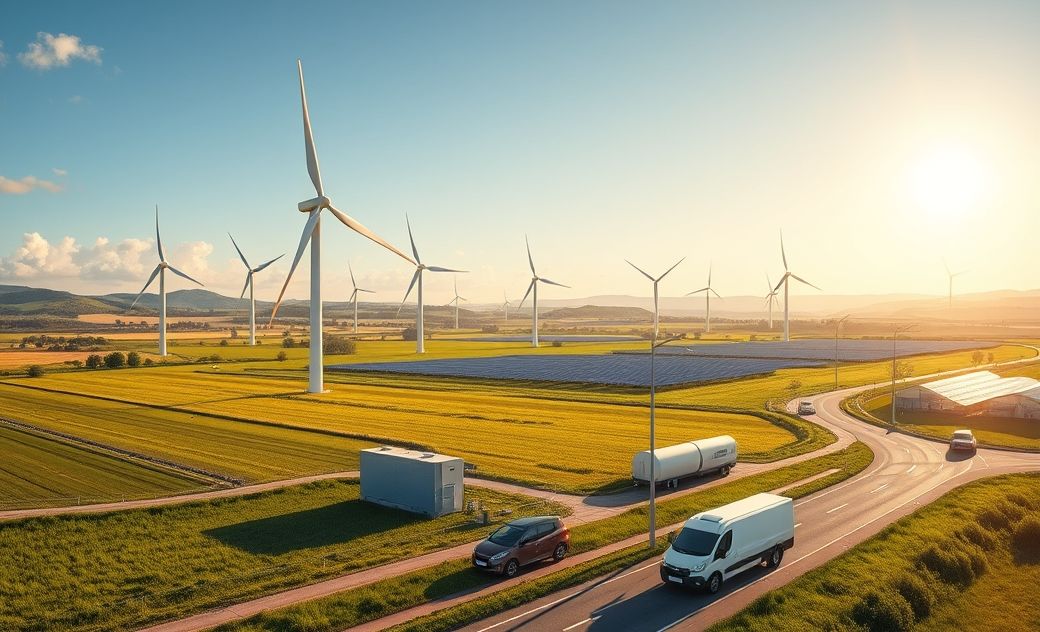
The shift towards renewable energy is no longer a distant future possibility but an immediate global necessity. Governments, corporations, and individuals are increasingly investing in sustainable resources as they seek to reduce carbon footprints and capitalize on financial opportunities. As 2025 approaches, understanding the landscape of renewable energy investments can lead to substantial gains for investors keen on this burgeoning market.
The Growing Demand for Renewable Energy
The worldwide demand for clean energy sources stems from various factors including climate change, technological advancements, and socio-political pressures. Countries are now setting ambitious net-zero emission targets, driving accelerated investments in renewable energy infrastructure and technology.
Government Incentives and Policies
Many countries are offering tax credits, subsidies, and other incentives to encourage renewable energy investments. These policies not only bolster energy transitions but also offer financial advantages to investors. By 2025, these incentives are expected to be key drivers in the growth of the renewable sector.
Public Awareness and Corporate Responsibility
With the public increasingly aware of environmental impacts, there is significant pressure on companies to adopt greener practices. As a result, businesses are investing heavily in renewables, creating market opportunities for green tech development, power generation, and energy storage solutions.
Key Areas for Investment in Renewable Energy
With numerous opportunities unfolding in the renewable sector, investors can focus on several key areas:
Solar Power
Solar energy remains one of the most promising areas of investment. As technology costs decrease and efficiency improves, solar installations are expected to skyrocket. By 2025, continued advancements in photovoltaic technology and storage solutions will likely increase solar power’s competitive edge, offering profitable avenues for investors.
Wind Energy
Wind power is another expanding market, with offshore and onshore projects gaining traction worldwide. Technological advancements leading to more efficient turbines are making wind energy increasingly cost-effective. Investors can expect steady returns from investing in wind projects, especially in regions with supportive regulatory environments.
Energy Storage Solutions
As renewable energy sources like wind and solar are intermittent, the demand for reliable energy storage solutions is pivotal. Battery technologies and other storage solutions present considerable investment opportunities. Projections for 2025 indicate significant growth in this sector as innovations drive down costs and improve efficiencies.
Challenges and Risks
While the potential is vast, investing in renewable energy comes with challenges. Market volatility, technological uncertainties, and regulatory changes can impact outcomes. Understanding these risks is critical for sound investment decisions.
Technological Risks
New technologies can sometimes lead to unexpected challenges, such as storage inefficiencies or unforeseen environmental impacts. Investors should stay informed and critically assess the viability and scalability of new innovations before committing capital.
Regulatory and Market Risks
As the sector is subject to government policies, changes in regulations can affect project viability. Furthermore, while demand is rising, the market can be unpredictable, so investors must keep a close eye on policy shifts and market trends.
The Future Outlook
Despite the challenges, the future of renewable energy investment looks promising. With ongoing advancements, increasing political support, and societal pressure for sustainable solutions, renewable energy stands as a potent area of investment by 2025. Investors who strategically position themselves in this evolving landscape can expect to reap significant benefits both financially and in contributing to a greener world.
As the world embraces a sustainable future, investing in renewable energy not only offers potential financial returns but also supports global efforts towards environmental sustainability, making it a conscientious and promising investment choice leading up to 2025 and beyond.
