
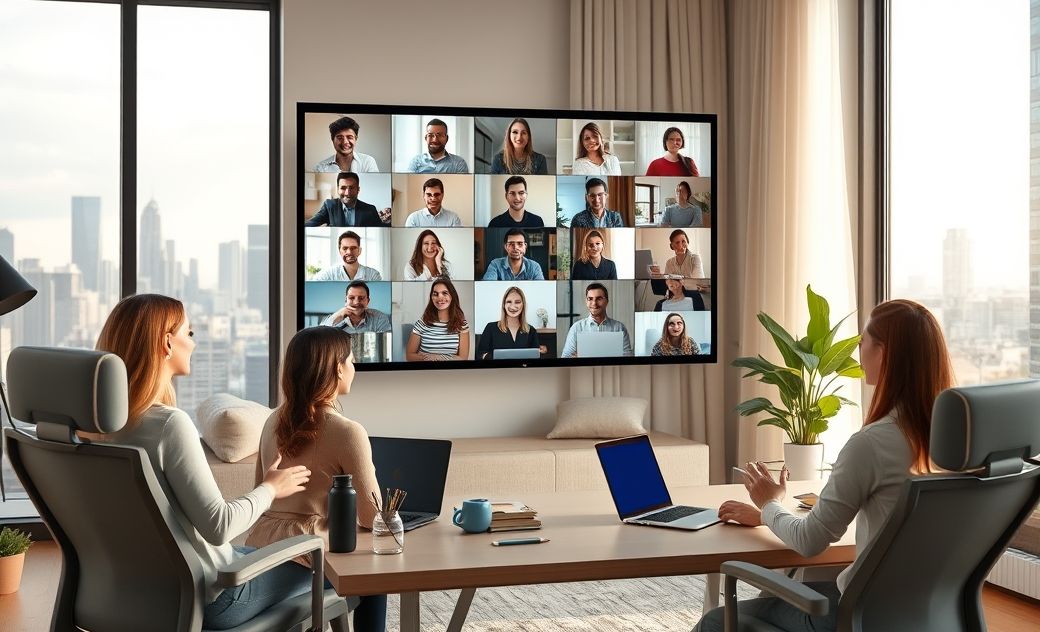
In recent years, remote work has transitioned from a luxury to a necessity as businesses across the globe adapt to changing market conditions and evolving technological landscapes. This shift is reshaping global business structures in profound ways, affecting everything from operational strategies to employee engagement. Understanding these changes is crucial for businesses looking to thrive in an increasingly digital world.
The Rise of Remote Work
Remote work, often referred to as telecommuting, has gained momentum due to several key factors. The advancement of technology has made it possible for employees to work efficiently from anywhere, provided they have a reliable internet connection. Additionally, the COVID-19 pandemic accelerated the adoption of remote work as businesses sought to continue operations while safeguarding employee health.
Technology as a Catalyzer
Advancements in technology, including cloud computing, collaboration tools like Zoom and Slack, and secure VPN networks, have played a pivotal role in enabling remote work. These tools allow seamless communication and collaboration, making it easier for teams to work together, regardless of physical location.
The Pandemic Effect
The COVID-19 pandemic forced businesses to rethink traditional work environments. Many companies realized that not only could their employees work effectively from home, but in some cases, they were even more productive. This revelation has led to a permanent shift in how businesses view remote work, with many adopting hybrid models where employees split their time between the office and home.
Impact on Organizational Structure
As remote work becomes more prevalent, it is fundamentally altering organizational structures. Companies are moving away from hierarchical, command-and-control models to more decentralized, flexible frameworks that better support a remote workforce.
Decentralization of Teams
Remote work necessitates a degree of decentralization, empowering teams to make decisions and execute projects autonomously. This shift reduces bottlenecks, speeds up decision-making, and fosters innovation as employees are given more freedom to solve problems creatively.
Focus on Output Over Hours
The traditional 9-to-5 work model is losing its grip as businesses shift their focus towards outcomes rather than hours spent at the desk. This results-oriented approach encourages employees to manage their time effectively, prioritizing productivity and the quality of their work over merely clocking in hours.
Transforming Employee Experience
Remote work is also vastly transforming the employee experience, impacting job satisfaction, work-life balance, and overall engagement.
Improved Work-Life Balance
Eliminating long commutes and offering flexible work hours fosters a better work-life balance, leading to increased job satisfaction. Employees have more time for personal activities, family, and rest, contributing to overall mental well-being.
Challenges in Employee Engagement
While remote work offers numerous benefits, it also presents challenges in maintaining employee engagement and company culture. Virtual team-building activities, regular check-ins, and fostering open communication channels are crucial to keeping teams connected and motivated.
The Future of Remote Work
The ongoing evolution of remote work suggests that its influence will only continue to grow. Companies that adapt to these changes, leverage technology effectively, and prioritize employee engagement will not only survive but thrive in this new business landscape.
Continued Innovation
The demand for new tools and platforms that facilitate remote work will drive innovation. Businesses will need to stay vigilant and adapt to technological advancements swiftly to maintain a competitive edge.
Global Talent Pool
Remote work allows businesses to hire talent from anywhere in the world, providing opportunities to leverage diverse skills and perspectives. This global talent pool can enhance creativity, problem-solving, and competitive advantage.
In conclusion, remote work is reshaping global business structures in significant ways, encouraging flexibility, decentralization, and a renewed focus on employee well-being. As we move forward, businesses that embrace these changes and innovate will set themselves up for long-term success in an interconnected, digital economy.
